


February 21, 2020

Imagine a store shelf with… hand cream, let's say. They're all about the same price, but some labels say "bio-components" or "with natural extracts", and others do not. Which will you choose?
A fairly telling example, isn't it? Well-crafted marketing strategies have turned the terms "bio" and "natural" into a brand of their own. Used on packaging and in advertising, they add +100 to demand and roughly the same to the manufacturer's reputation. The subject is more complicated than it seems, and we have our own opinion on the matter.
The approach matters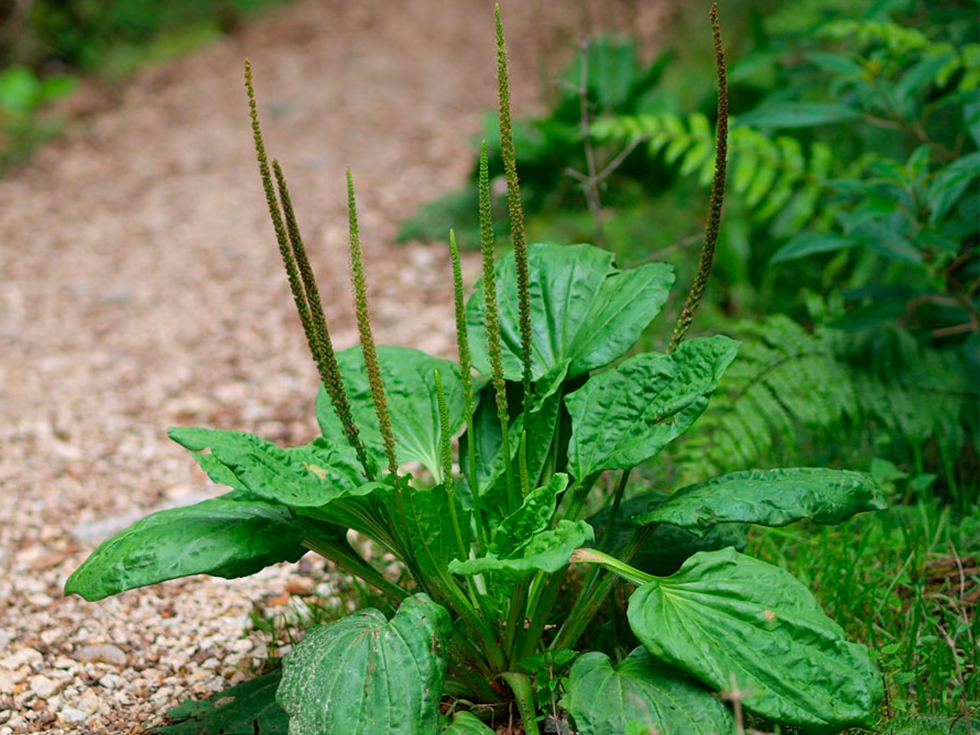
Plantain — a medicinal plant that helps heal wounds. Natural? Of course. But is using it always beneficial? If it's a leaf picked from the edge of a busy highway, the harm caused by the lead it has accumulated may well be more tangible than the healing benefits. The takeaway is that not everything natural is necessarily useful.
Accordingly, several questions arise for producers. The packaging says "with natural calendula extract", but where was this extract obtained from? Where and how were the flowers processed? Under what conditions were they grown? Without knowing the answers, we cannot be sure that the cosmetic product will have a genuinely positive effect.
That's why reputable companies are fundamentally changing their approach to the production process: they don't buy supposedly natural ingredients, they grow them themselves. This gives confidence that the end result will be cosmetics that are not only natural, but truly ecological. Exactly what a discerning customer is looking for.
A few examples of this:
Raw materials for Weleda cosmetic products are grown biodynamically in special gardens in Argentina, Switzerland, New Zealand and other countries. All the gardens are located in regions with good environmental conditions, they do not use chemical fertilizers or insecticides, and they cultivate the plants without complicated agricultural machinery.
Yves Rocher has 55 hectares of fields located away from industrial areas where plants for extracts are grown. The company pays special attention not only to the ingredients, but also cares about soil health and ensures quality control of irrigation water.
A bit of honest advertising
Do you know the good part of this story? That there are also enterprises from Moldova on the list of ecological producers. Since 2012 Viorica Cosmetic has been carrying out the project of the Austrian Z. Holzer to ensure production with organic raw materials.
VIO-Park — is a wild territory in our country where different plant communities grow and interact: trees, shrubs, herbs. Here forests coexist with fields, gardens and ponds. And all of this — under the supervision and with the help of Viorica Cosmetic specialists, but without drastic interventions. Of course, there are still things to accomplish and improve, but even now the company's technologists work with purely organic extracts of lavender, calendula, and chamomile, all harvested in VIO-Park.
We believe that creating an ecological, healthy, and useful future at home is the best investment!